

What Is Direct Cremation? A Clear Family Guide
Direct cremation is a simple cremation service in which the person who has died is cremated without a traditional funeral service or viewing beforehand. The process generally includes transportation, required paperwork, identification, cremation, and return of the cremated remains to the family or authorized representative.

What does direct cremation include?
Direct cremation focuses on the essential arrangements that must take place after a death. It does not usually include embalming, a public visitation, or a formal funeral ceremony before cremation.
Depending on the family’s wishes and local requirements, direct cremation may include:
- Transfer of the deceased into the funeral home’s care
- Completion and filing of required permits and documentation
- A legally required identification process
- Cremation in an approved crematory
- Temporary or permanent placement of the cremated remains in an urn
- Return of the remains to the family or another authorized person
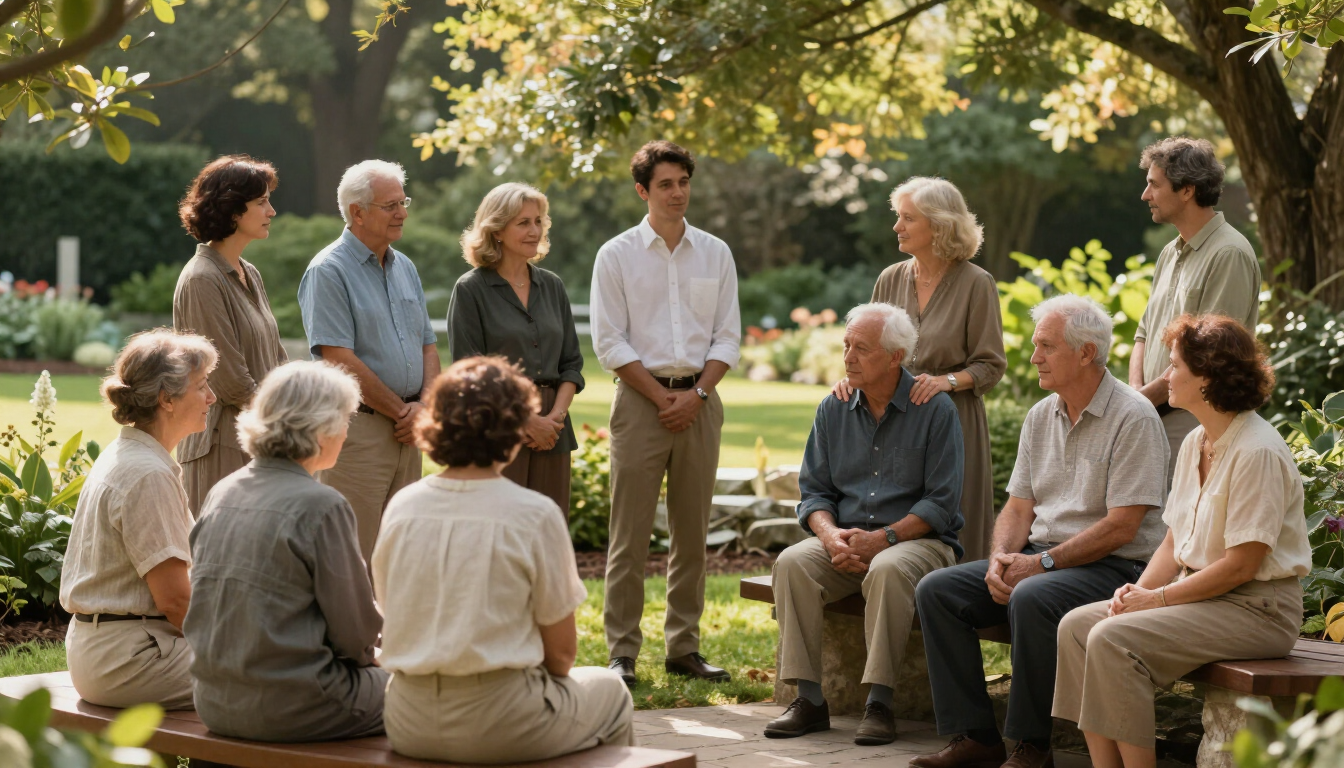
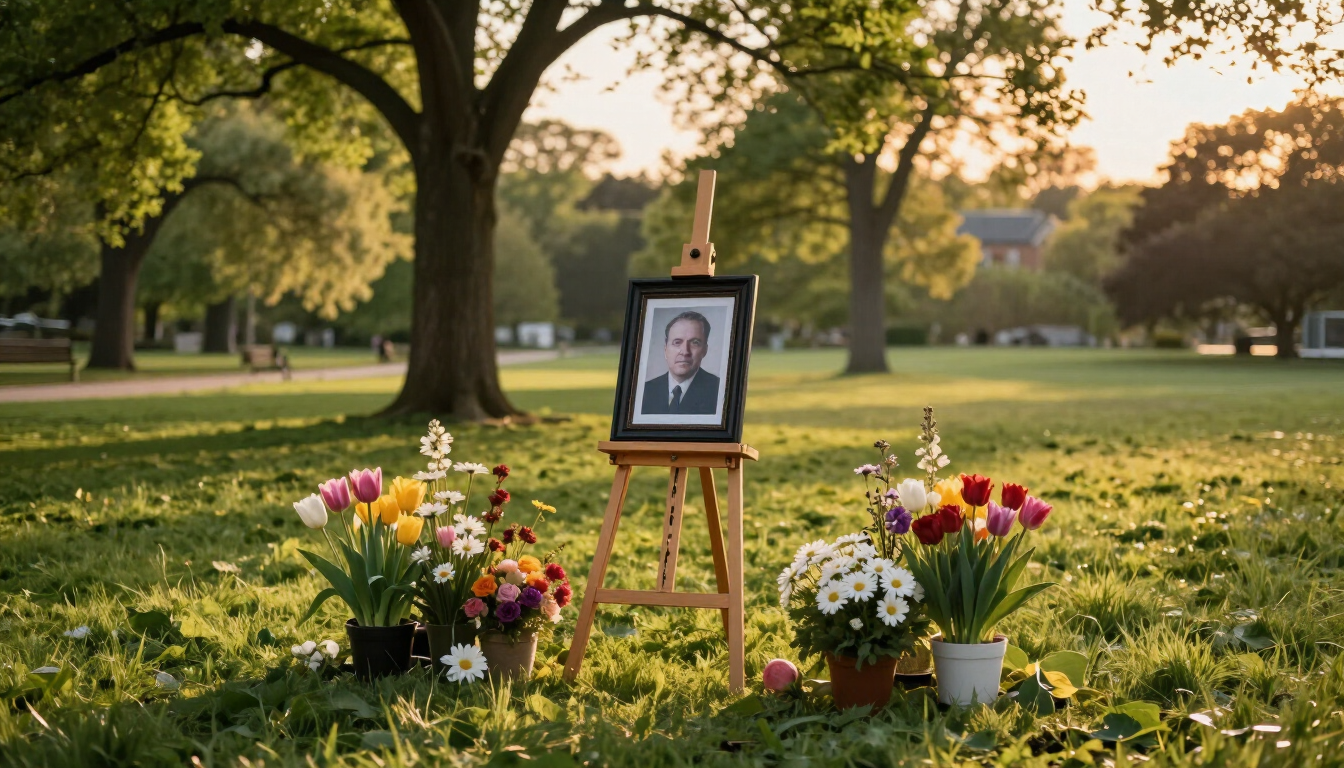
Families may choose to hold a memorial service, celebration of life, or private gathering before or after the cremation. These arrangements are separate from the direct cremation itself and can be scheduled according to the family’s preferences.
How does direct cremation work?
Although each situation is different, the process generally follows these steps.
1. The family contacts a funeral home
When a death occurs, the next of kin or an authorized representative contacts a funeral home or cremation provider. A professional director explains the available options, gathers initial information, and coordinates transportation.
For immediate help, families can contact Immediate Assistance . If the death is expected, prearranged, or occurs at home, the appropriate first call may differ. The funeral home can explain what to do based on the circumstances.
2. The deceased is transferred into care
The funeral home arranges respectful transportation from a residence, hospital, hospice facility, nursing facility, or other location. The deceased is then cared for in accordance with applicable laws, facility procedures, and the family’s instructions.
3. Authorizations and paperwork are completed
The funeral director helps the family complete the authorization for cremation and other required documents. These may include information needed for the death certificate, permits, identification, and disposition arrangements.
The exact paperwork depends on the state, county, circumstances of death, and identity of the person authorizing cremation. A funeral professional should explain each form before it is signed.
4. Identification procedures are completed
Before cremation, the provider follows a documented identification process. This may involve visual identification, a signed identification form, or another method permitted by law and facility policy.
The cremation container and identification record remain connected to the deceased throughout the process. These procedures help protect the family and maintain accurate records.
5. Cremation takes place
After all legal requirements and authorizations are complete, the deceased is placed in a suitable cremation container and transferred to the crematory. The cremation is performed individually according to applicable regulations and professional procedures.
6. The cremated remains are prepared and returned
After cremation, the remains are processed and placed in a temporary container or selected urn. The funeral home then arranges pickup, delivery, or another approved form of transfer to the authorized recipient.
What is the difference between direct cremation and traditional cremation?
The primary difference is whether a funeral service or viewing takes place before cremation. Traditional cremation may include embalming, visitation, a ceremony, or other formal events. Direct cremation generally takes place without those services beforehand.
Direct cremation does not prevent meaningful remembrance. Families may still arrange a memorial service, place an obituary, gather privately, or plan a personalized Celebration of Life .
Is direct cremation less expensive?
Direct cremation is often less expensive than a traditional funeral because it typically excludes expenses associated with embalming, formal visitation, extensive facility use, and a scheduled funeral ceremony. However, the total price varies by provider and circumstances.
A written estimate may include:
- Professional service fees
- Transportation and care of the deceased
- Required permits and documentation
- Crematory charges
- A cremation container
- Temporary or selected permanent urn
- Death certificates and delivery fees
Families should ask what is included, what is optional, and whether additional charges may apply. Reviewing the complete price list with a funeral director can make comparisons clearer. For general planning considerations, visit Financial Resources .

How long does direct cremation take?
The timeline depends on authorization, completion of the death certificate, permits, transportation, identification requirements, medical examiner or coroner involvement, and crematory availability. There is no single timeline that applies to every family.
A funeral director can provide an estimated schedule after learning where the death occurred and whether any review by a medical examiner is required. Families should avoid relying on online generalizations when making time-sensitive arrangements.
The return of cremated remains may take place after the crematory completes its procedures and the funeral home receives and prepares the remains. Ask when the family may expect an update and how the remains will be transferred.
Can a family hold a memorial after direct cremation?
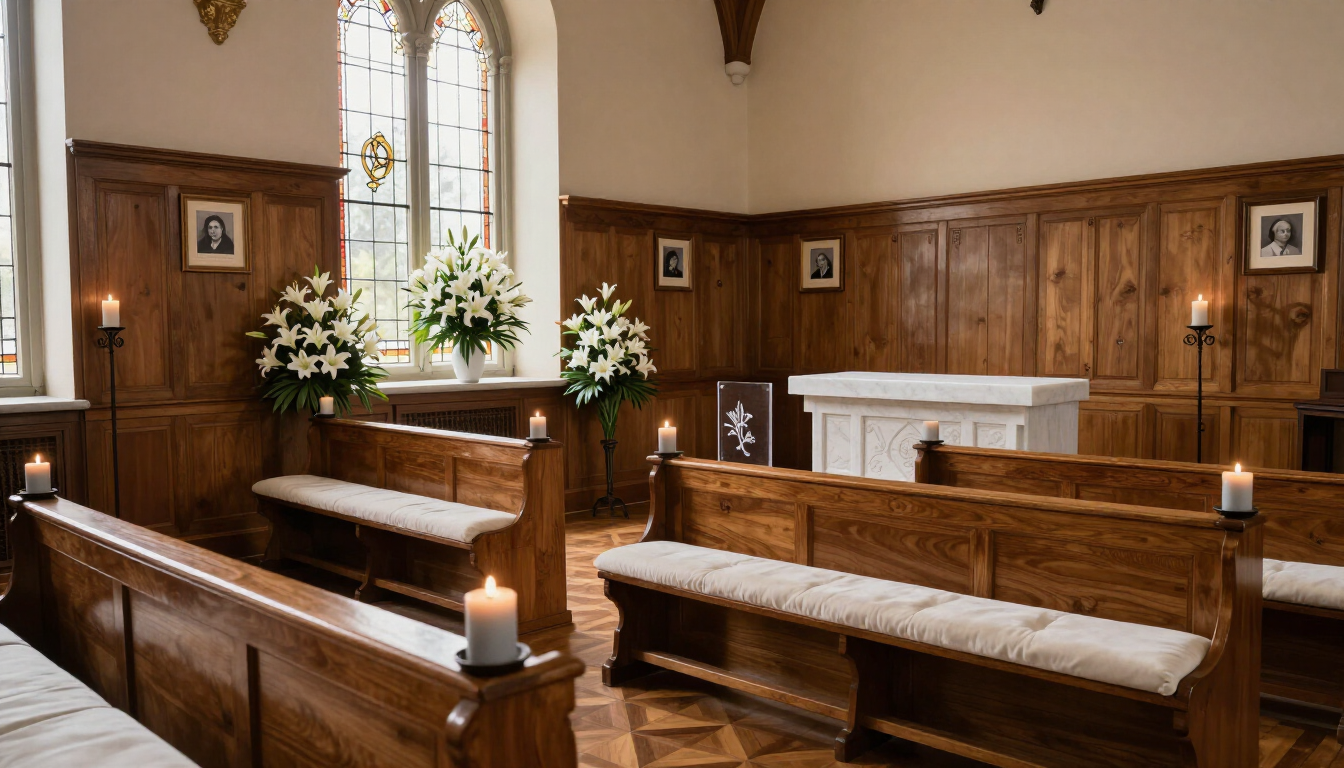
Yes. A memorial service can be held before or after the cremation, depending on the family’s wishes, religious or cultural traditions, location, and timing. Some families choose a private gathering immediately and plan a larger service later.
Possible choices include:
- A small family gathering at home
- A service at a funeral home, place of worship, or community venue
- A graveside urn placement
- A scattering ceremony where legally permitted
- A celebration of life on a meaningful anniversary
Families who want help organizing a service can explore Memorial Services or Funeral Planning .
Important questions to ask a cremation provider
Before choosing a provider, ask clear questions about the process, costs, timing, and family responsibilities. Useful questions include:
- What services and fees are included in the quoted price?
- Which documents must the family complete?
- How is identification handled?
- Where does the cremation take place?
- When and how will the cremated remains be returned?
- What urn choices are available?
- Can the family arrange a memorial service later?
A reputable provider should answer respectfully and in plain language. You may also review the provider’s FAQs or request a personal Consultation .
Planning considerations for New Jersey and Pennsylvania families
Requirements can vary between New Jersey, Pennsylvania, municipalities, facilities, and individual circumstances. The location of death, the person authorized to make decisions, and whether the death was expected can all affect the next steps.
Families in Trenton, Princeton, Philadelphia, Bucks County, Mercer County, and surrounding communities should work with a provider familiar with the relevant local procedures. International Funeral Service Southview Funeral Home assists families throughout its New Jersey and Pennsylvania service area with professional guidance and 24/7 support.
If a death has occurred and you need help understanding what happens next, visit Contact Us . If you are planning ahead, Pre-Planning can help document preferences and reduce uncertainty for loved ones.
Direct cremation: key takeaways
Direct cremation is a straightforward option for families who do not want a traditional funeral or viewing before cremation. It generally includes transportation, authorizations, identification, cremation, and return of the remains. The price and timeline depend on the provider, location, required paperwork, and selected products or services. A memorial or celebration of life can still take place before or after cremation. The best next step is to request a clear, written explanation of the process and costs, then discuss your family’s preferences with a licensed funeral professional.
Recent Posts